
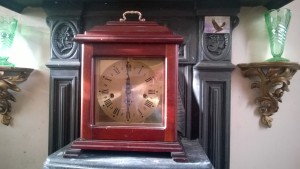
Read this is your looking to repair an electric pendulum clock from the 80’s as it could save you a lot of frustration on ordering cock ups if you want to have a go yourself. But dont do that – get me to do it ;-).
Rather than reproduce the hints Ive just pasted an email I sent to a recent enquiry – its got all the info and you can see how I approach my jobs / customers at the same time!.
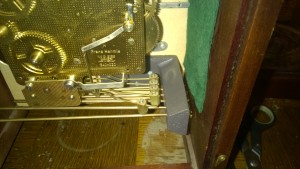
“Its likely to be a high tork electric pendulum movement. I did one today – a Seiko. Its a walk in the park to fit it providing you confident with getting the hands off the front. These might just pull off or there might be a screw or lynch pin holding them on. Remove the hands and replace the movement with an identical one and you are done. Finding an identical one is either easy or mindbendingly boring. Essentailly there are probably 5 movement types available globally on ebay. If you have one of those then its and easy job. If not you have to buy a donor clock – basicly find your clock or one using the same movement and then use that.
The things its easy to mess up if you are taking the DIY approach.
1. Spindle length. This is how far the nose of the movement stick out. If its not enough it wont clear the clock face and if its too much the nose hits the clock glass and stops the hands.
2. Hand appeture width. You have to vernier guage your hands inner holes and then order the right option with the movement. Its that or alternatively use the hands that come with the new movement. This isnt as bad as it sounds – most movements can be bought with a reasonable choice of hands. This link is the sort of thing you are after but I can advise on the exact item once you have sent a photo.
If you dont want to go through what is mostly specification and ordering hassle then get me to do it. Cheers, Justin”
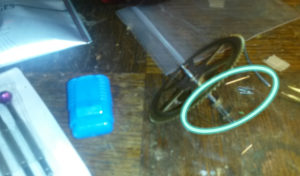
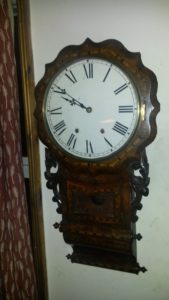

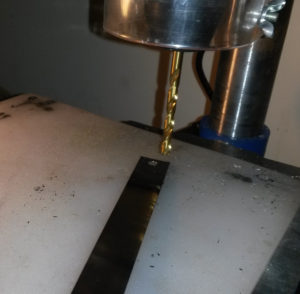
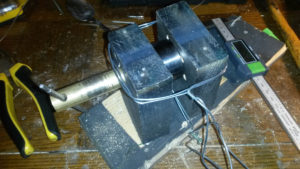
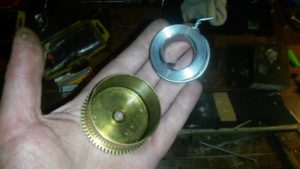
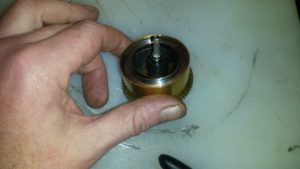
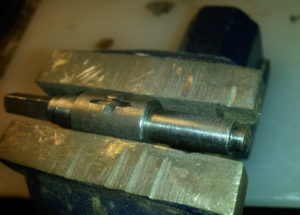
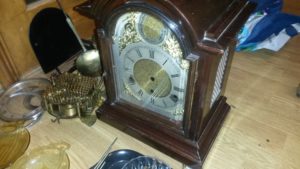
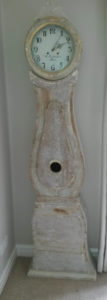 I recently repaired this Mora clock. These are quite rare now and originated from 18th century to the middle of the 19th. They are really good looking clocks and thier shape in sweden is as iconic as the grandfather clock you or I would envisage.


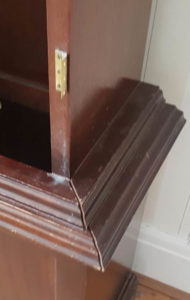
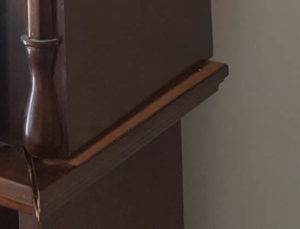 I
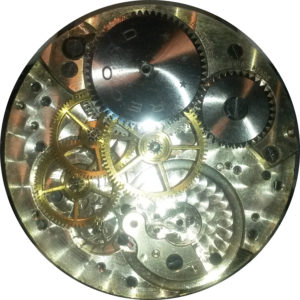 Pocket watches are great fun to work on. Its the mechanics that constantly amaze me on older watches. They will stop if you dont get them serviced every few years because they are very very sensitive to the accumulation of dirt. How does the dirt get in there? you might ask. The only way it gets in there is from particulates in the air that you cant see. The watch could condense these out of the surrounding air if it is cold and brought into a hot environment. The other big one of course is smoking. If you smoke your gunging up your clocks much much faster than normal – I know becuase most of the cleaning I do for restoration is infact nicotine and dead skin – mmmm lovely (I still love the job).
Recent Comments